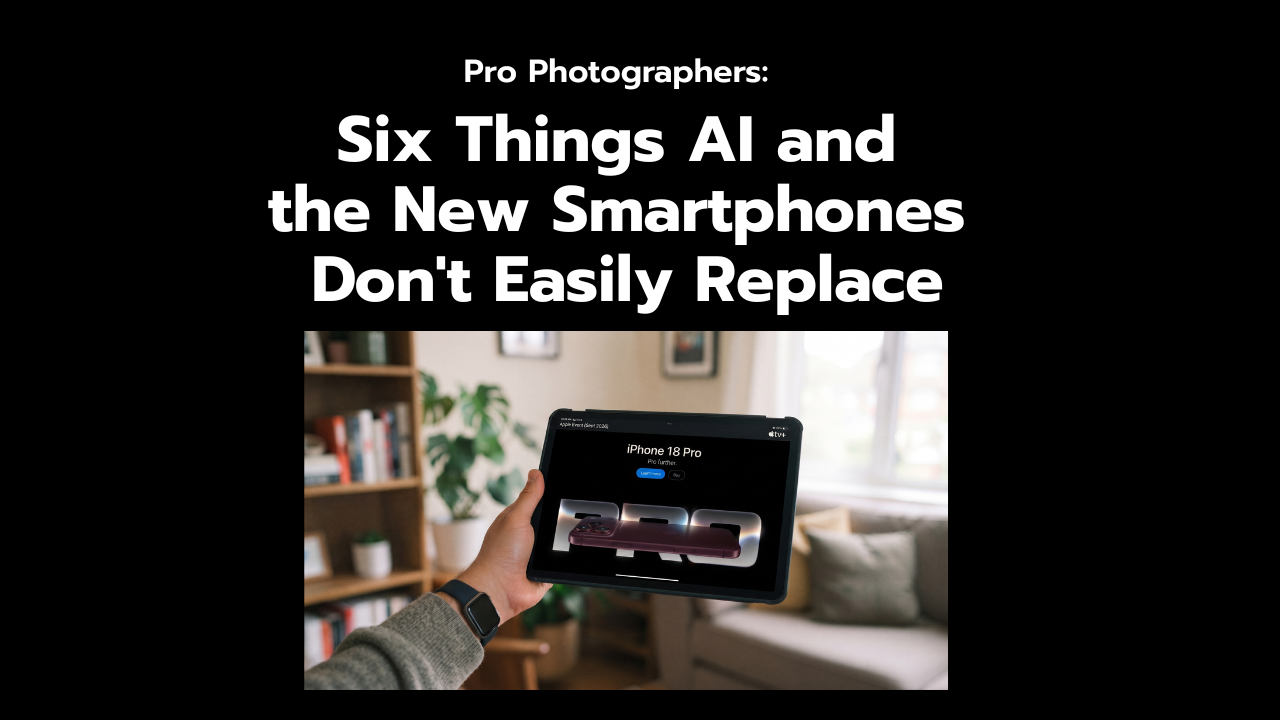
Pro Photographers: Six Things AI and the New Smartphones Don't Easily Replace
“I have a question for you,” he said as he watched me setting up a shot.
I was trying to finish a real estate photography job, and I had a chatty client.
“If I show you a photograph of a property I did with my cell phone, can you tell it wasn't taken by a professional photographer?”
This wasn't an idle question. Maybe I was feeling a little defensive, but what I heard was:
Tell me what I'm paying you for.
I thought about that question again when I saw the announcement of the new iPhone 18 Pro and Pro Max—and as I've started using AI more in my own photography business.
What would anyone need a professional photographer for anymore?
Every year, smartphones make it easier to create technically good photographs, while AI makes it easier to edit, transform or even generate them from scratch.
So photographers need to confront a different question:
If your client already has a great camera in their pocket and AI can fix almost anything afterward, why do they need you?
The threat isn't whether an iPhone can make a better photograph than your professional camera.
It's whether what your client can create themselves is good enough.
And if it is, our value has to extend beyond the camera.
Here are six places where I think it does.
1. Access — You Were There
I recently followed a local 12U baseball team to Cooperstown All-Star Village to photograph its run at the competition.
Based on my work as a photojournalist, I obtained a credential that allowed me to shoot from the sidelines. None of the parents were allowed down there to photograph, no matter what kind of camera or phone they owned.
I was.
And that access allowed me to make photographs from positions none of the parents could reach with their new iPhones.
The same principle applies to weddings. You don't want all of your guests crowding into the aisle trying to photograph the first kiss—and knowing that many of them would still miss it. One professional photographer, positioned in the right place and anticipating the moment, can make sure it is documented.
It applies to sports, corporate events, journalism, concerts and countless other assignments.
Sometimes the value of a photographer isn't simply the equipment we're carrying.
It's that we were there, in the right place, when something happened.




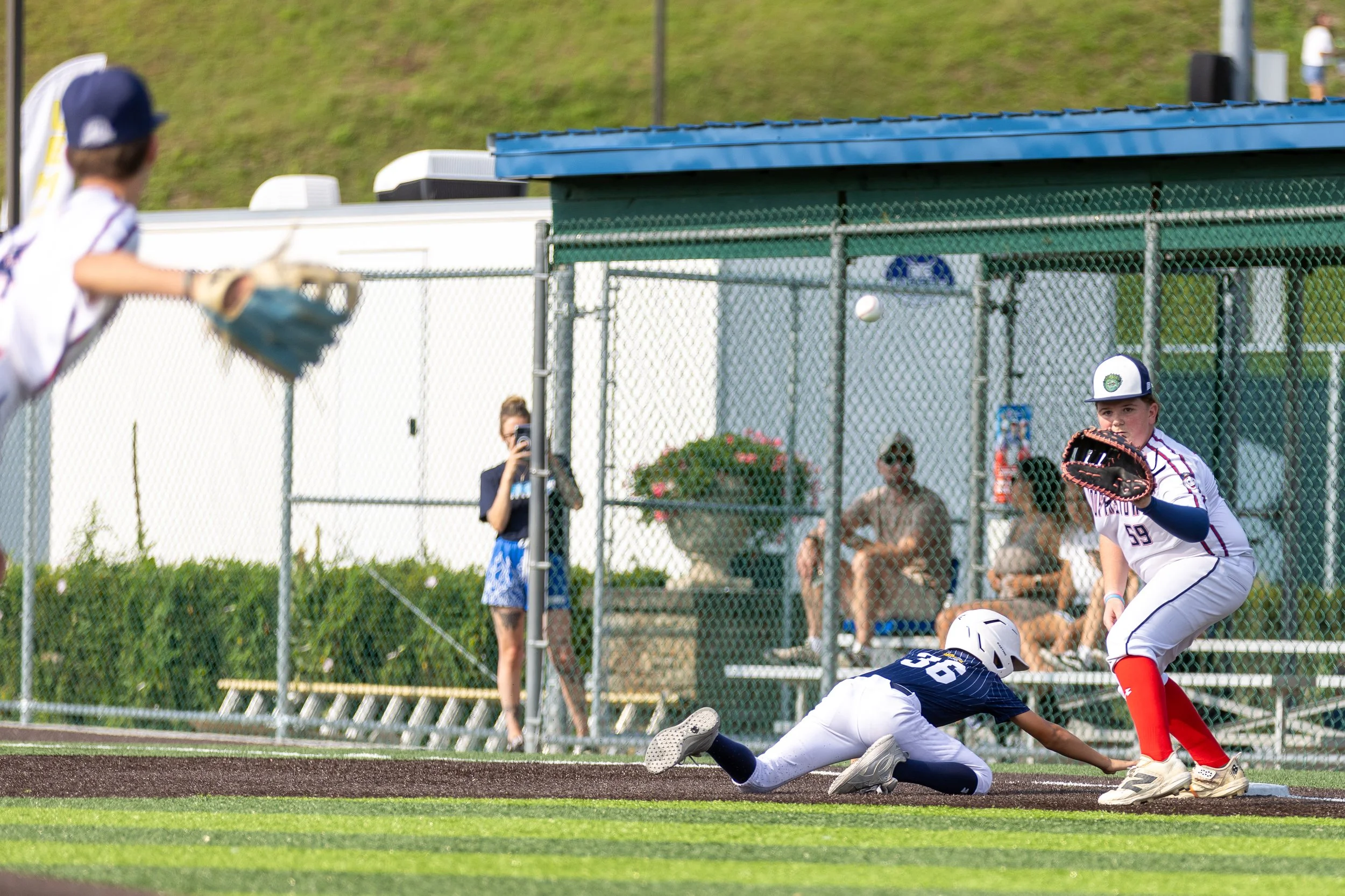
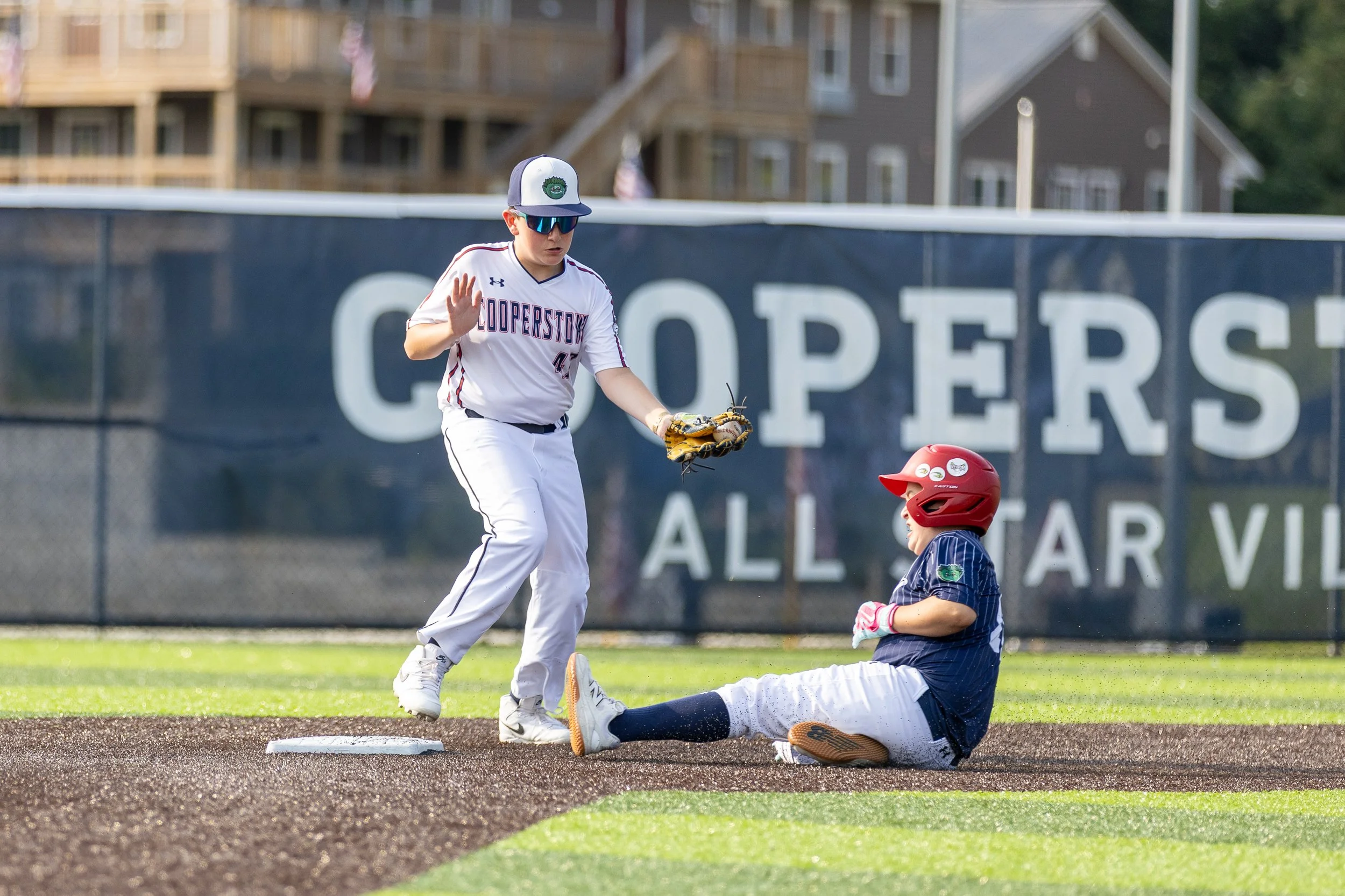
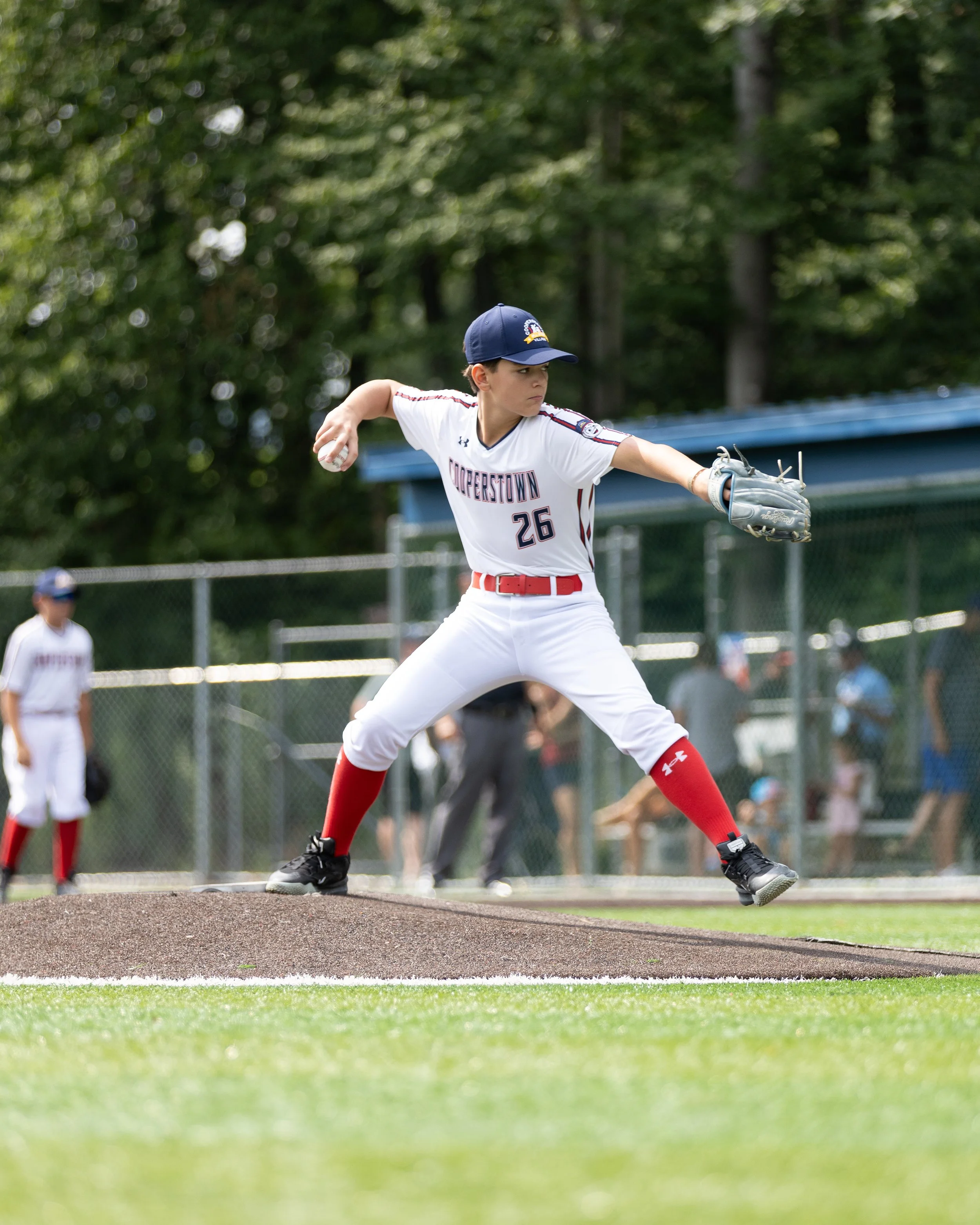
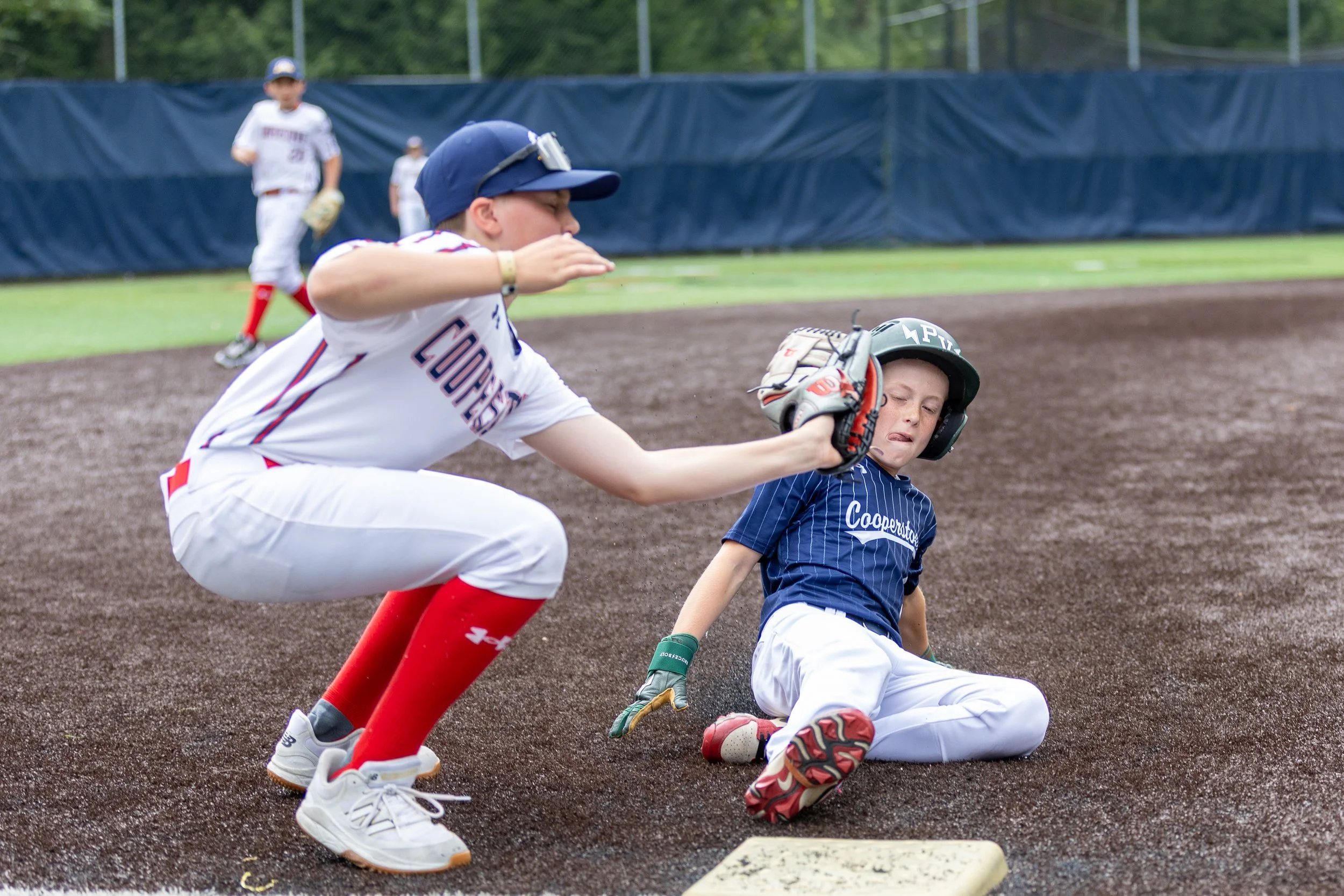
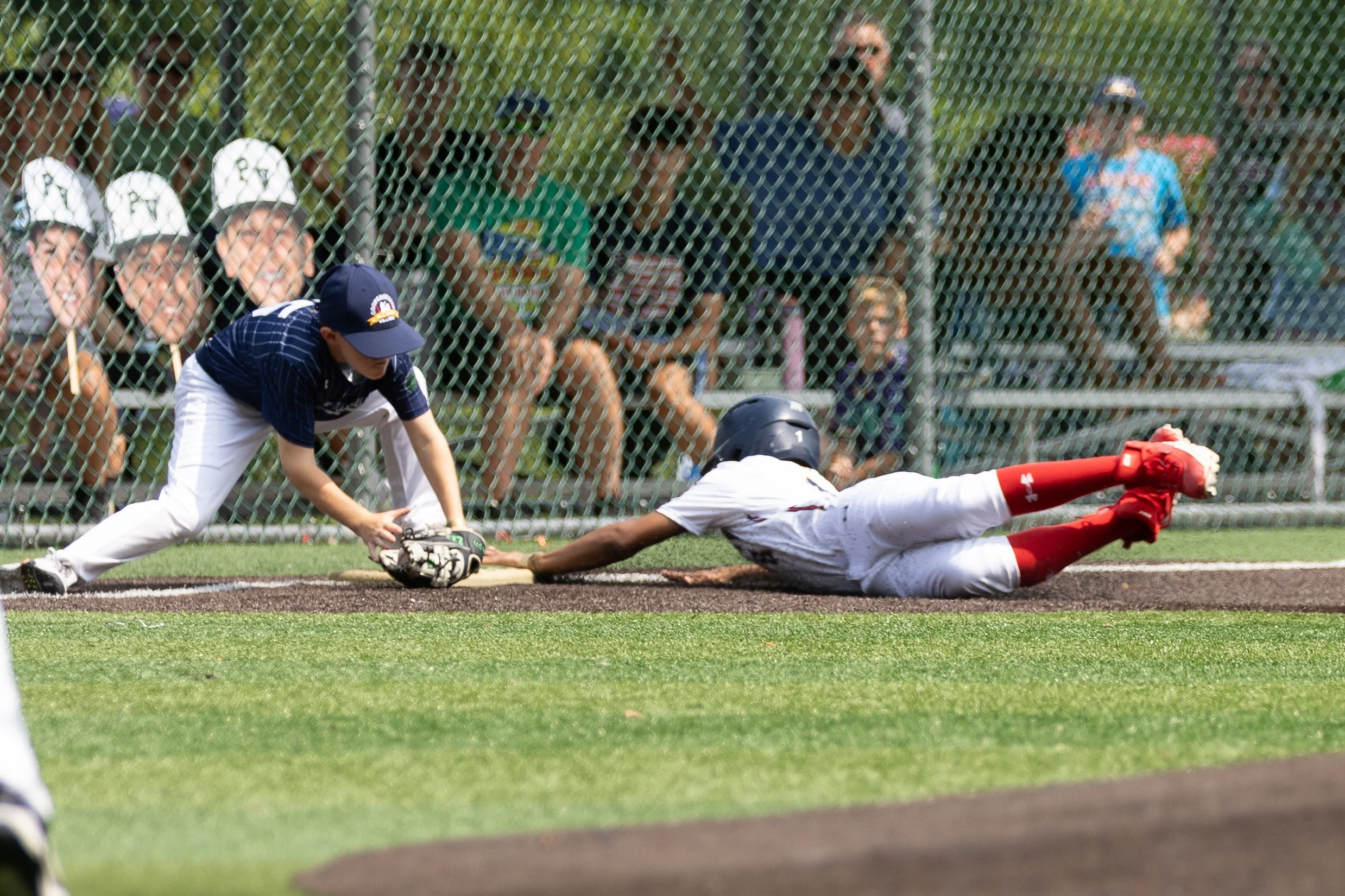

I photographed the Pascack Valley Venom at the Cooperstown All Star Village on Aug. 11, 2026
2. Direction — You Know What Needs to Happen
Talk about chaos.
I was once hired to photograph a family reunion. The family had rented a huge Airbnb and invited me up on a Saturday night to make their family photographs.
When I walked into the room, I discovered about 200 people talking, laughing and yelling at the same time. There was energy everywhere.
And from all of that, I somehow needed to extract a photograph.
A few minutes later, I was standing on a chair in the middle of the room yelling for everyone's attention.
We had to build the photograph.
We created a back row with chairs for the tallest people to stand on. A second row stood on the floor. A third row sat in chairs. The children sat on the floor in front. Then we had to get 200 people looking in roughly the same direction at roughly the same time.
No camera was going to solve that problem for me.
And that's something photographers sometimes forget when we're thinking about technology.
A portrait session, headshot day, wedding party or corporate group photograph doesn't simply happen because someone owns a good camera.
Someone has to make it happen.
Someone has to organize people, make decisions, solve problems and create the conditions in which the photograph can be made.
The camera doesn't run the session. The photographer does.
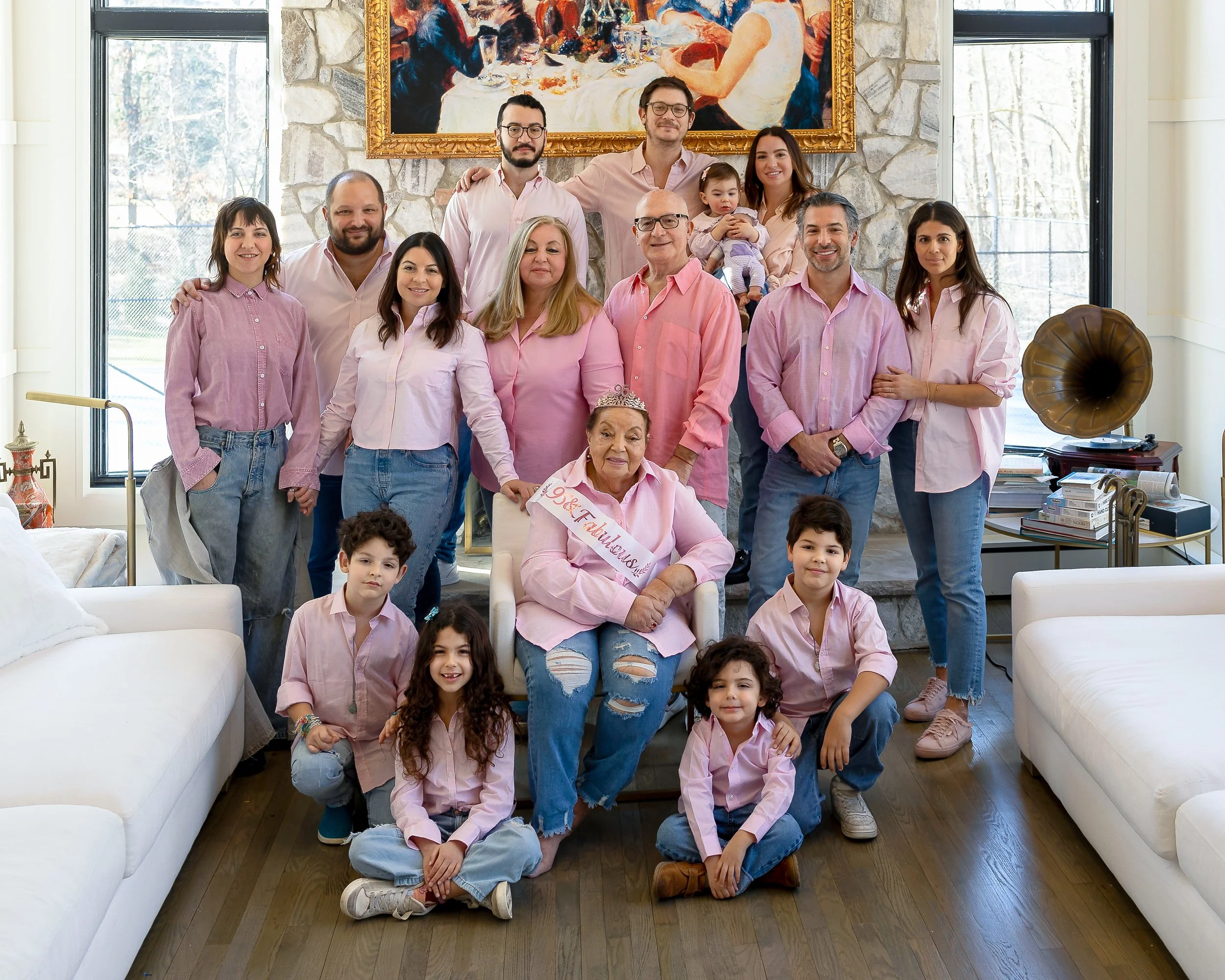
I photographed Lucy and her family when they celebrated her 95th birthday.
3. Vision — You Know What Photograph Should Be Created
“Cover photo in 30 minutes or less.”
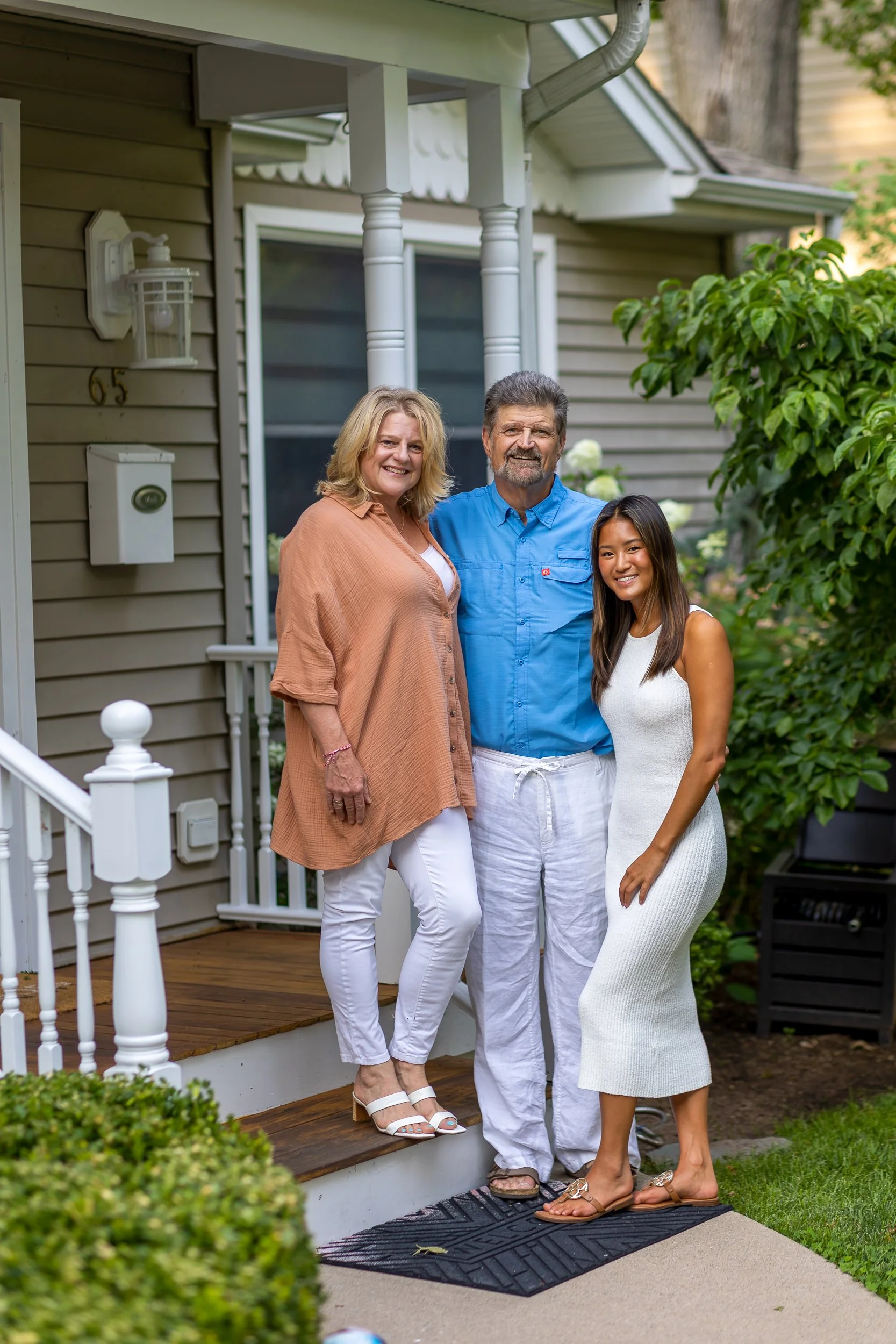
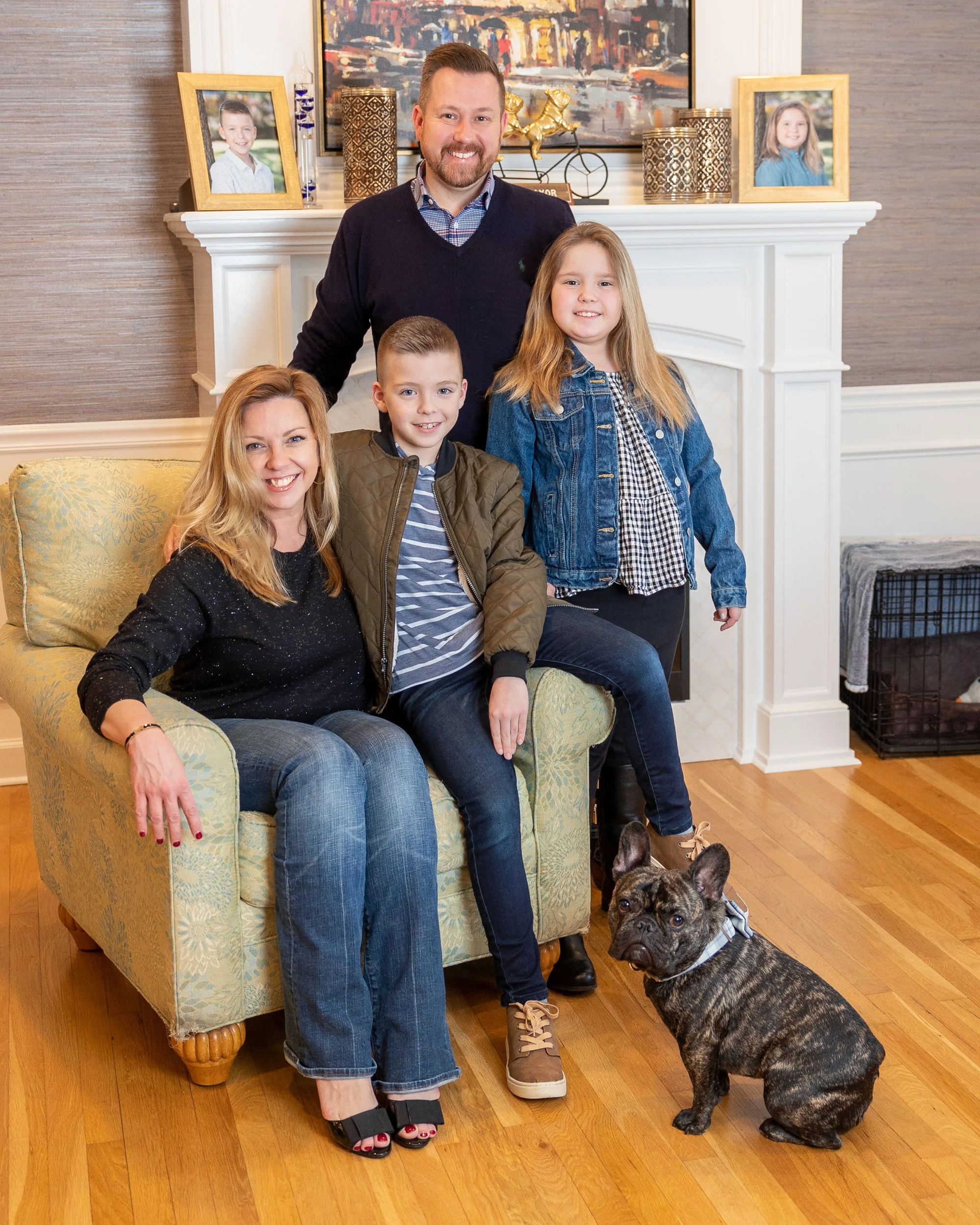
That was essentially the assignment when I photographed families for Glen Rock Living.
I'd arrive at the home of the family being featured in that month's issue—a home I'd never seen before—and 30 minutes later I was expected to leave with the cover photograph.
Sometimes I had an impatient dad tapping his foot 15 minutes into the session.
There wasn't much time for experimentation.
I'd walk into the house and immediately start looking.
Where is the light?
Where can I put this family?
What's happening in the background?
Can I arrange everyone here?
And, importantly, will this composition work as a vertical magazine cover with room for the masthead and cover lines?
The value I brought wasn't simply knowing which buttons to push on my camera.
It was being able to walk into an unfamiliar environment, recognize what might work, visualize the finished photograph and execute it.
Technology is becoming extraordinarily good at helping us answer:
How do I make this image?
But photographers still create enormous value by answering the question that comes before it:
What image should I make?
That's vision.
And as execution becomes easier, vision and judgment become more important.

4. People Management — You Create the Experience
One of my favorite compliments to receive after a session is:
“That was fun! It wasn't stressful like I thought it might be.”
That's a win.
A good photographer knows how to work with people—to get them to relax, trust the process and maybe even enjoy something they weren't looking forward to.
That's one of the lessons I learned watching my dad, who is also a photographer, work with couples.
As he positioned and lit them, he would casually start asking about their relationship.
“How did you two meet?”
“Who made the first move?”
“What did you first like about her?”
“What sealed the deal about him?”
He wasn't merely making conversation.
By the time he was ready to shoot, they were smiling, laughing and swooning over each other.
And then he photographed that.
Watching him was a master class in understanding that you're not simply managing people. You're creating an experience that affects the photographs—and determines how people remember working with you.
A client's evaluation of a photographer isn't limited to:
“Did I receive good photographs?”
It's also:
“What was it like working with this person?”
For a family, that might mean keeping the children engaged and the parents from becoming stressed.
For a corporate photographer, it might mean moving 40 executives efficiently through a headshot day while making each one comfortable in front of the camera.
At a wedding, it can mean remaining calm when the schedule falls apart and knowing what needs to happen next.
AI can retouch the portrait.
The latest smartphone can take the portrait.
Neither one can reassure the nervous person standing in front of it.
People are still a people business.
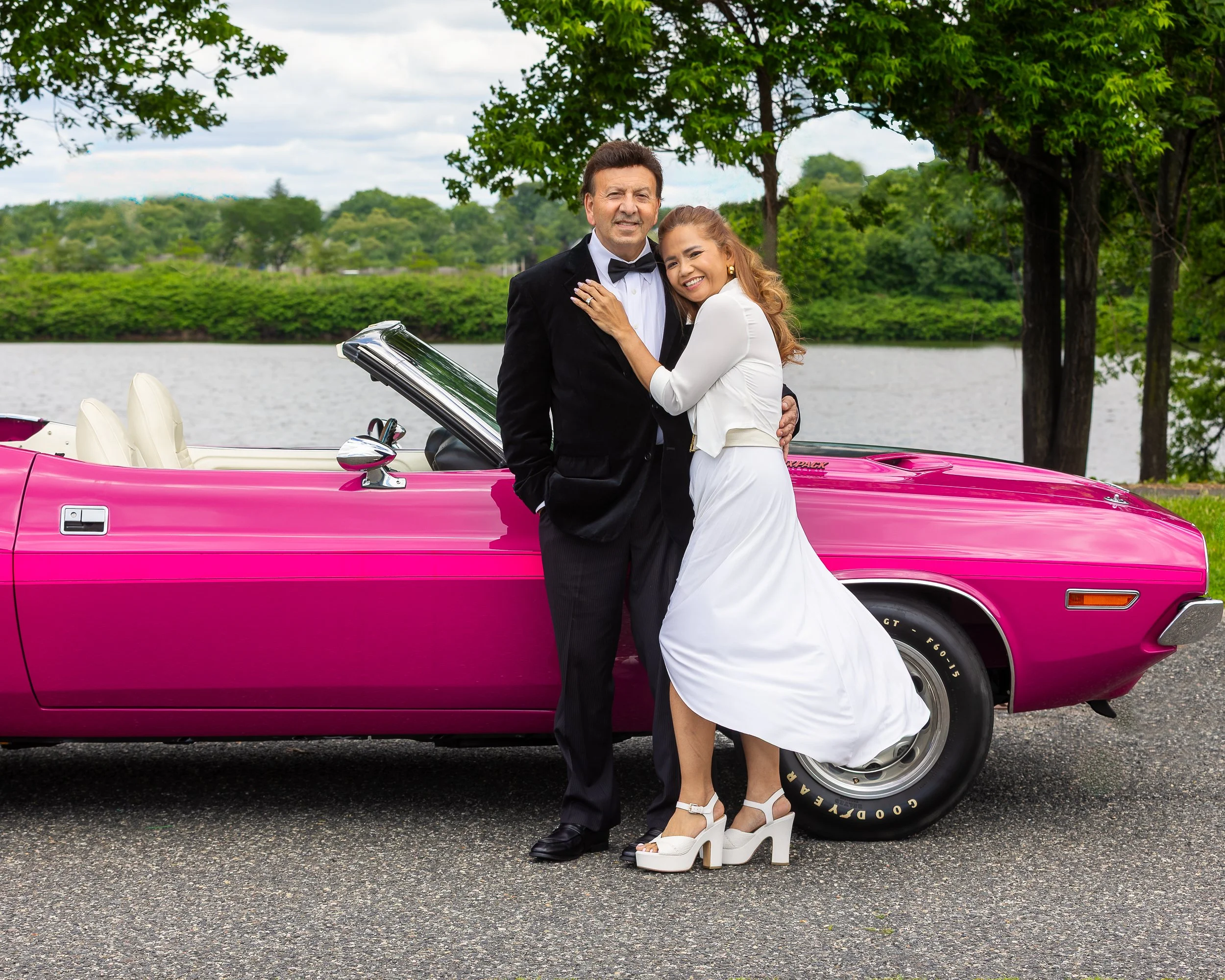
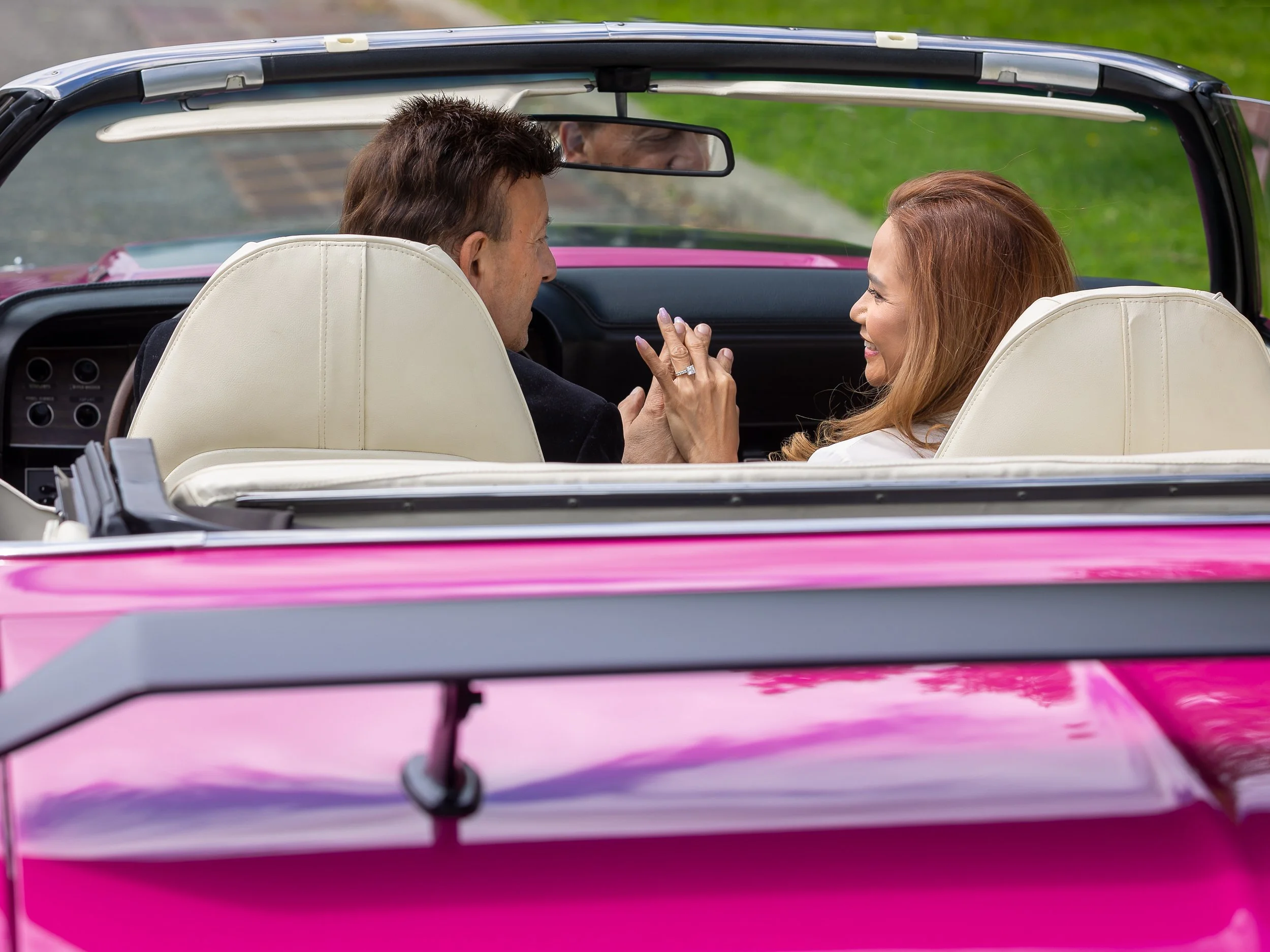
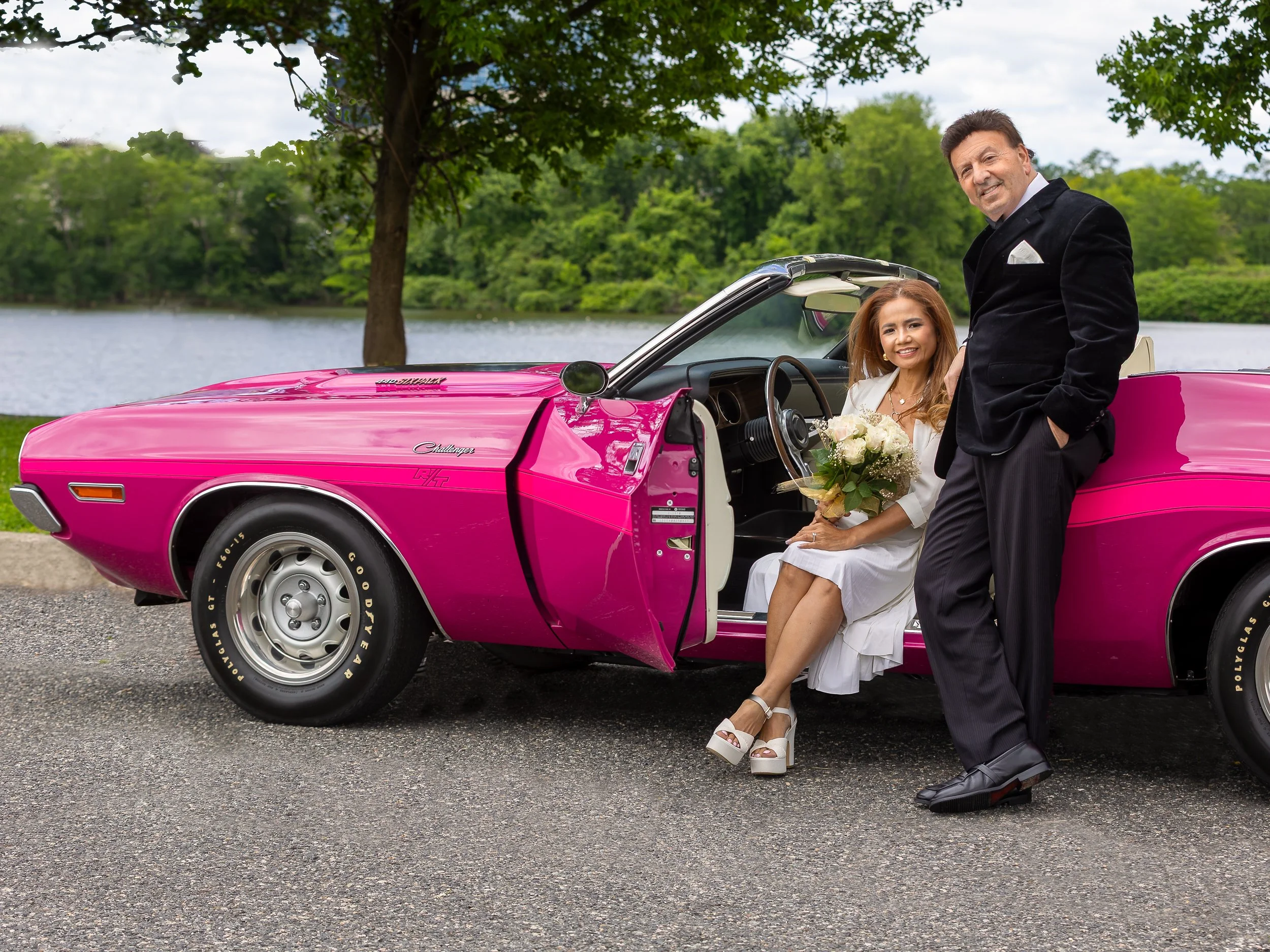
I created engagement photos for Howard and Elena.
5. Storytelling — You Understand What Matters
The beloved former mayor of my town died unexpectedly, and I wanted to make a photograph of his hearse and procession leaving the funeral home.
On my way there, I noticed a group of municipal employees beginning to assemble outside the building where he had once worked.
I could have kept going.
That wasn't the photograph I had planned.
But something told me this might become an important moment.
So I stopped and positioned myself across the street.
Then I waited.
When the former mayor's funeral procession passed the municipal building, his former colleagues stood together and saluted him one final time.
That became the photograph.
That's storytelling.
A storyteller doesn't simply photograph everything that happens. Nor does a storyteller always know in advance what the most meaningful photograph will be.
You observe.
You anticipate.
You recognize relationships.
You notice when something is developing.
And occasionally you realize:
This matters.
That ability becomes even more significant in an era when AI can manufacture virtually any scene we can describe.
AI can create a convincing photograph of people standing outside a municipal building saluting a funeral procession.
But that's different from recognizing the significance of the real moment while it is unfolding in front of you.
The storyteller's advantage isn't simply making photographs. It's recognizing significance while it is happening.
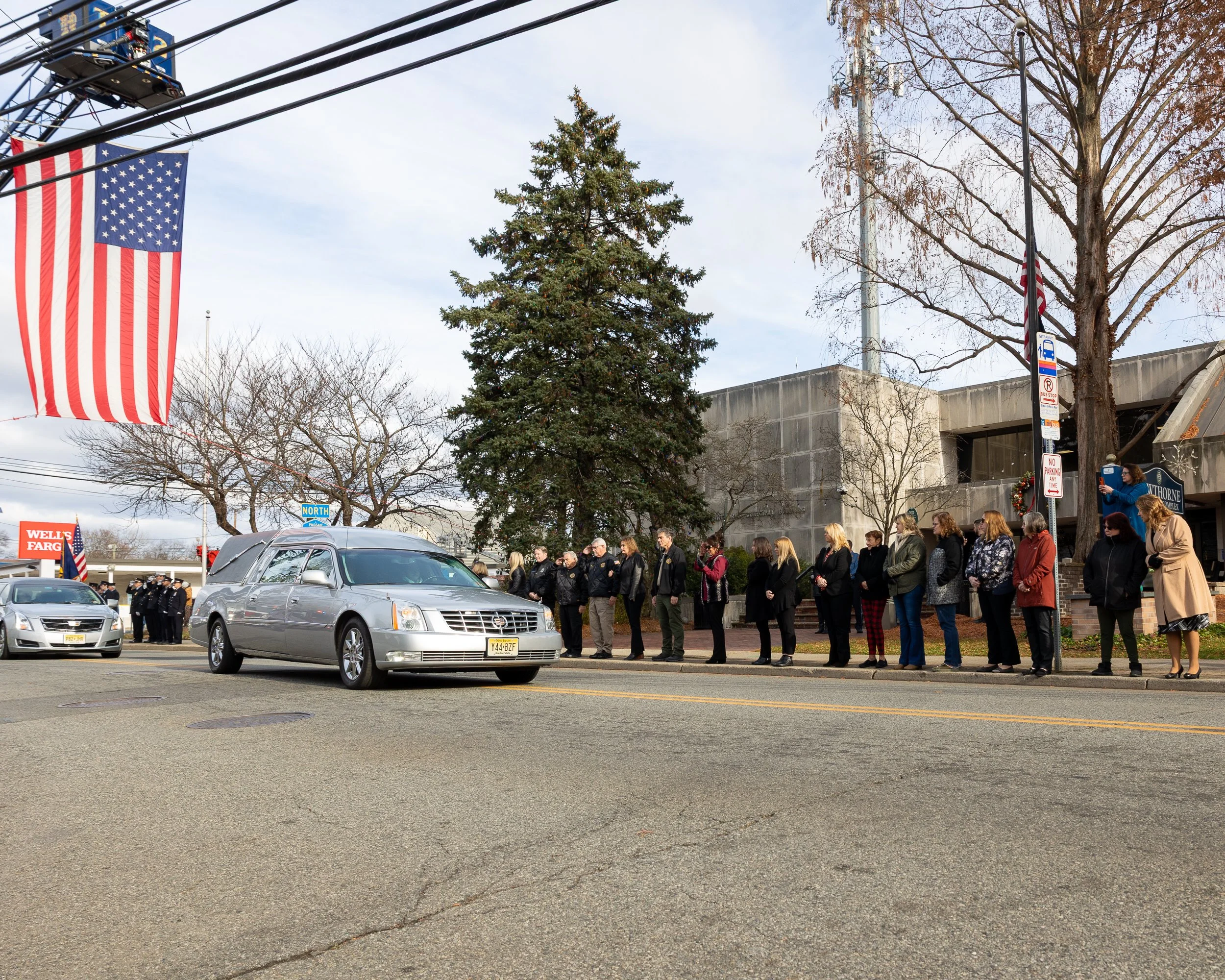
Mayor Goldberg’s last ride past the municipal building.
6. Purpose — You Understand What the Image Needs to Accomplish
Photographers love fall.
Beautiful foliage. Great color. Warm light.
So when a client asked me to create some fall photographs, you'd think I'd go searching for the most beautiful leaves I could find.
Except that wasn't the assignment.
The client wanted fall photographs to remind homeowners to clean up the leaves in their yards.
So off I went looking for an offender.
Suddenly, I wasn't looking for the prettiest yard. I was looking for the right combination of autumn color and a lawn covered with leaves that clearly needed to be raked.
The purpose changed the photograph.
That's particularly important for photographers working with businesses.
A business rarely needs photographs simply because it needs photographs.
There's usually another objective behind the request.
A realtor needs to market a property.
A restaurant needs customers.
A company needs to recruit employees.
An executive needs to establish credibility.
A nonprofit needs people to care about its mission.
And the same idea applies to consumer photography.
A family isn't necessarily buying photographs. It may be trying to preserve this particular period in its life before the children grow up and everything changes.
So one of the most important questions a photographer can ask is:
Why are they asking for photographs?
What's the real problem they're trying to solve? What do they want someone to think, feel or do after seeing the images?
Once you understand that, it influences what you photograph and how you photograph it.
That's the difference between simply producing pictures and creating photographs with intention.
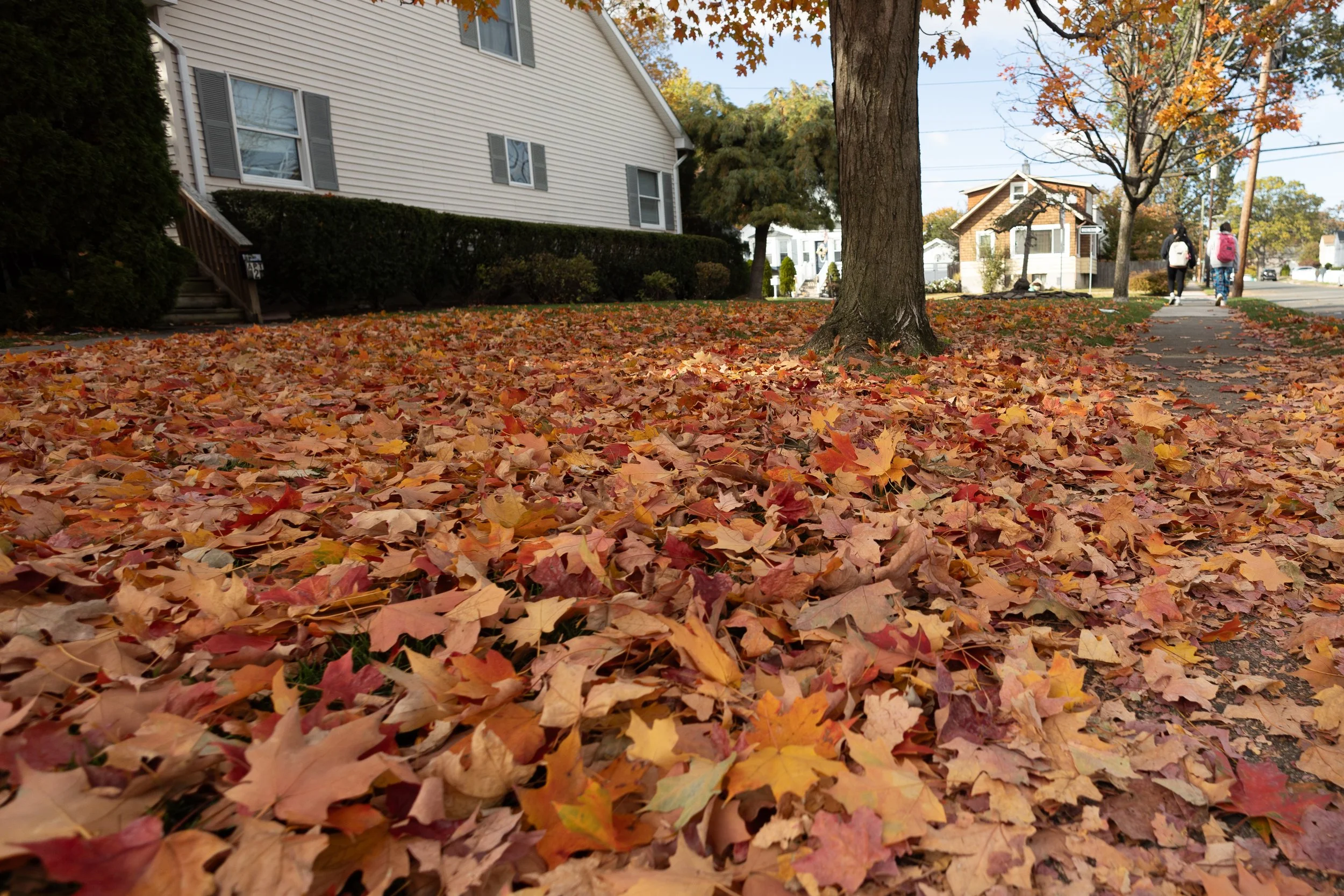
When the Borough of Hawthorne asked for a fall photo, they didn’t mean one out in nature.
So, Why Do They Need You?
That brings me back to the question that real estate client asked me.
If he can make a pretty good photograph with his phone, what exactly is he paying me for?
Increasingly, I think the answer has to extend beyond image quality.
He's paying for the things that aren't so easily automated:
ACCESS — You were there.
DIRECTION — You know what needs to happen.
VISION — You know what photograph should be created.
PEOPLE MANAGEMENT — You create the experience.
STORYTELLING — You understand what matters.
PURPOSE — You understand what the image needs to accomplish.
None of this means photographic craft is becoming irrelevant.
Quite the opposite.
You still need to understand light, exposure, composition, lenses, color, timing and post-production.
Those skills are the foundation.
But increasingly, they're the price of admission—not necessarily the reason someone chooses you.
The next iPhone will be better than this one. And the one after that will be better still.
AI will become better at editing photographs and better at creating them from nothing.
We aren't going to stop any of that.
So perhaps the road ahead for professional photographers isn't proving that our cameras can make better pictures than someone's phone.
Maybe it's demonstrating that what we bring to the photograph matters more than the camera that makes it.