Church Photography with Ron Pollard: Serving God, Serving the Story
Photos by Ronald Pollard. All rights reserved.

Ron Pollard, Photographer
Church photography isn’t just another event genre—it’s a calling to bear faithful witness, according to Ron Pollard, our guest presenter in a Shutterbug Live masterclass.
Ron is a lifestyle photojournalist and branding photographer based in Huntsville, AL. He comes to photography from a career as a pastor, which informs his spiritual approach to photography.
During his session, he shared a framework shaped by decades of photographing worship, ministries, concerts, and community life—plus a pastor’s understanding of what’s sacred in the room.
Here are a few takeaways.
Start with a theological vision: this is service, not just art
Ron’s north star: every assignment—religious or secular—is an opportunity to serve people with dignity and tell a true story. That posture changes everything: how you move, what you include, and when you put the camera down. It also means avoiding exploitative practices, honoring context, and remembering there are real families and futures attached to every frame.
See the sacred space before you shoot
Do your homework. Learn the worship flow, symbols, and architecture; walk the venue early; meet the lighting team; ask leaders what the day is meant to say. When you understand stained glass, communion tables, instruments, and procession routes, your images carry meaning instead of feeling random.
Field practice
Scout early (walk the room; study the light).
Ask leadership for the “script” and key moments.
Blend in (quiet movement, wear black, minimize distractions).
Build a story, not a pile of pictures
Ron’s simple Story Arc Method keeps galleries coherent:
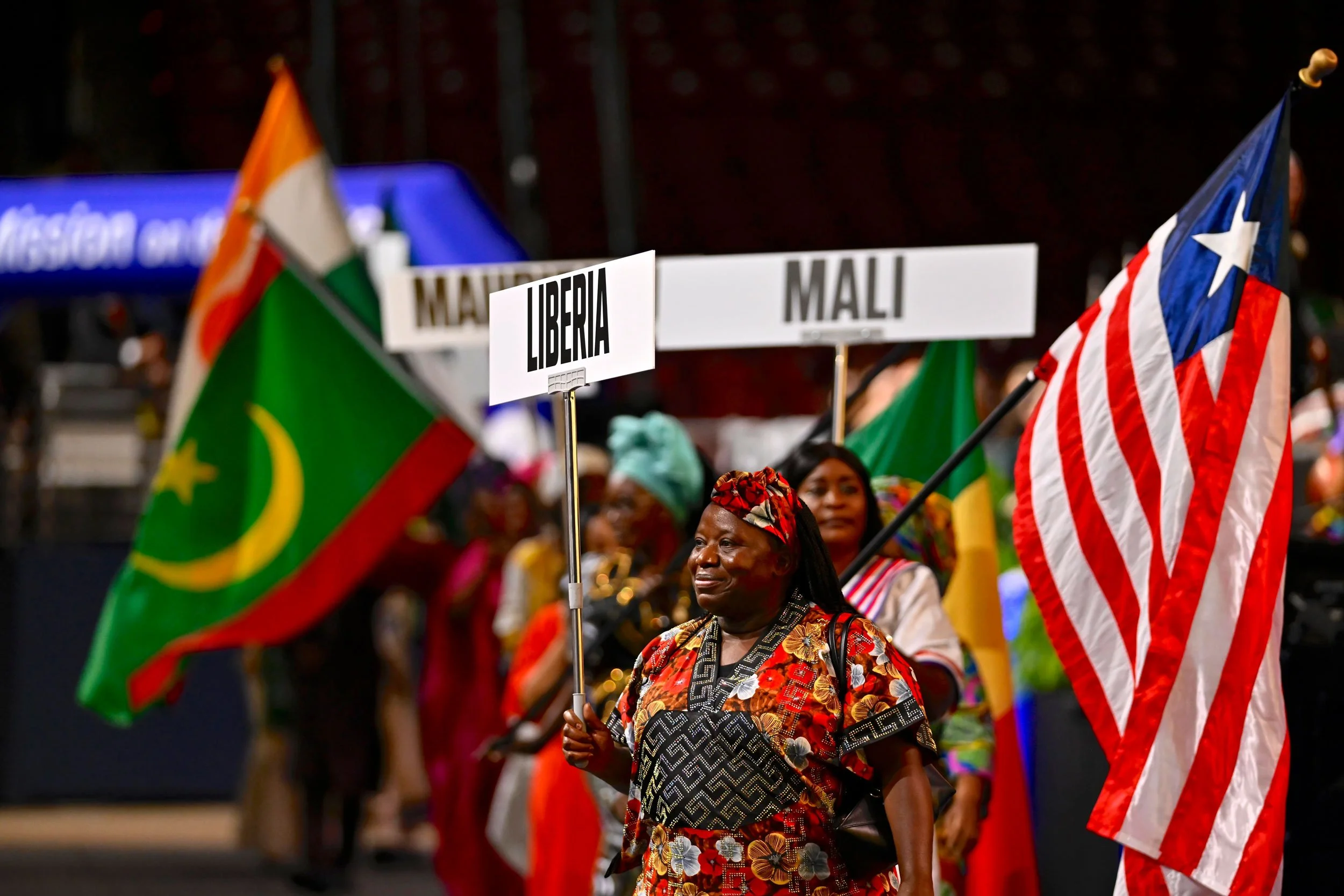
Wide for context (the room, environment, symbols).
Medium for relationships (interactions, leadership + congregation).
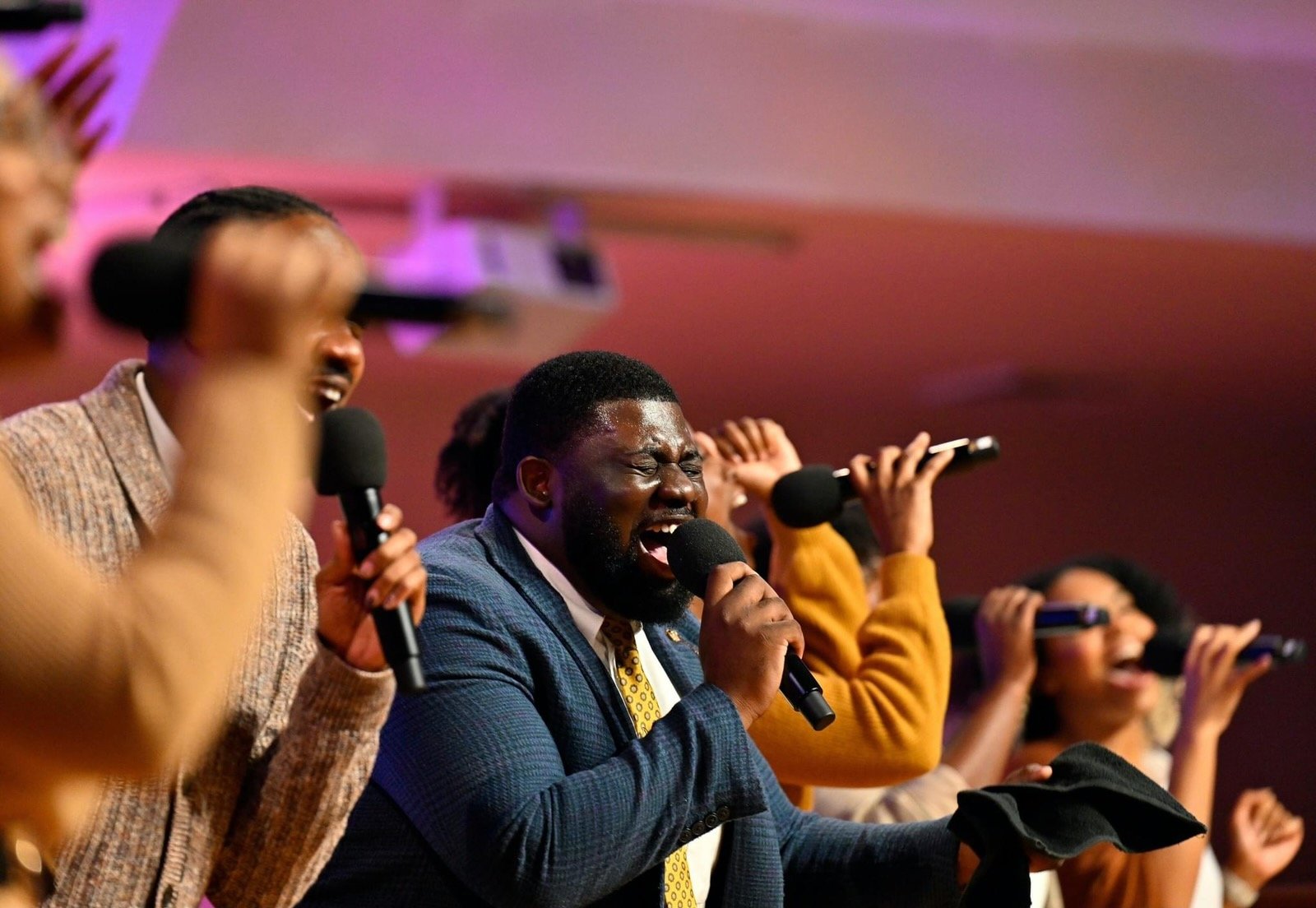
Tight for emotion (hands raised, tears, laughter, prayer).
Cycle through wide → medium → tight throughout the service. You’ll leave with a narrative that reads like a lived experience, not a contact sheet.
People first, gear second
Technical excellence matters, but trust comes first. When possible, learn subjects’ preferences, protect vulnerable moments, and let people be human—because authenticity outlives perfection. Ron embraces light touch editing and composes with intention so he can keep post-processing minimal and the story truthful.
Respect the live moment
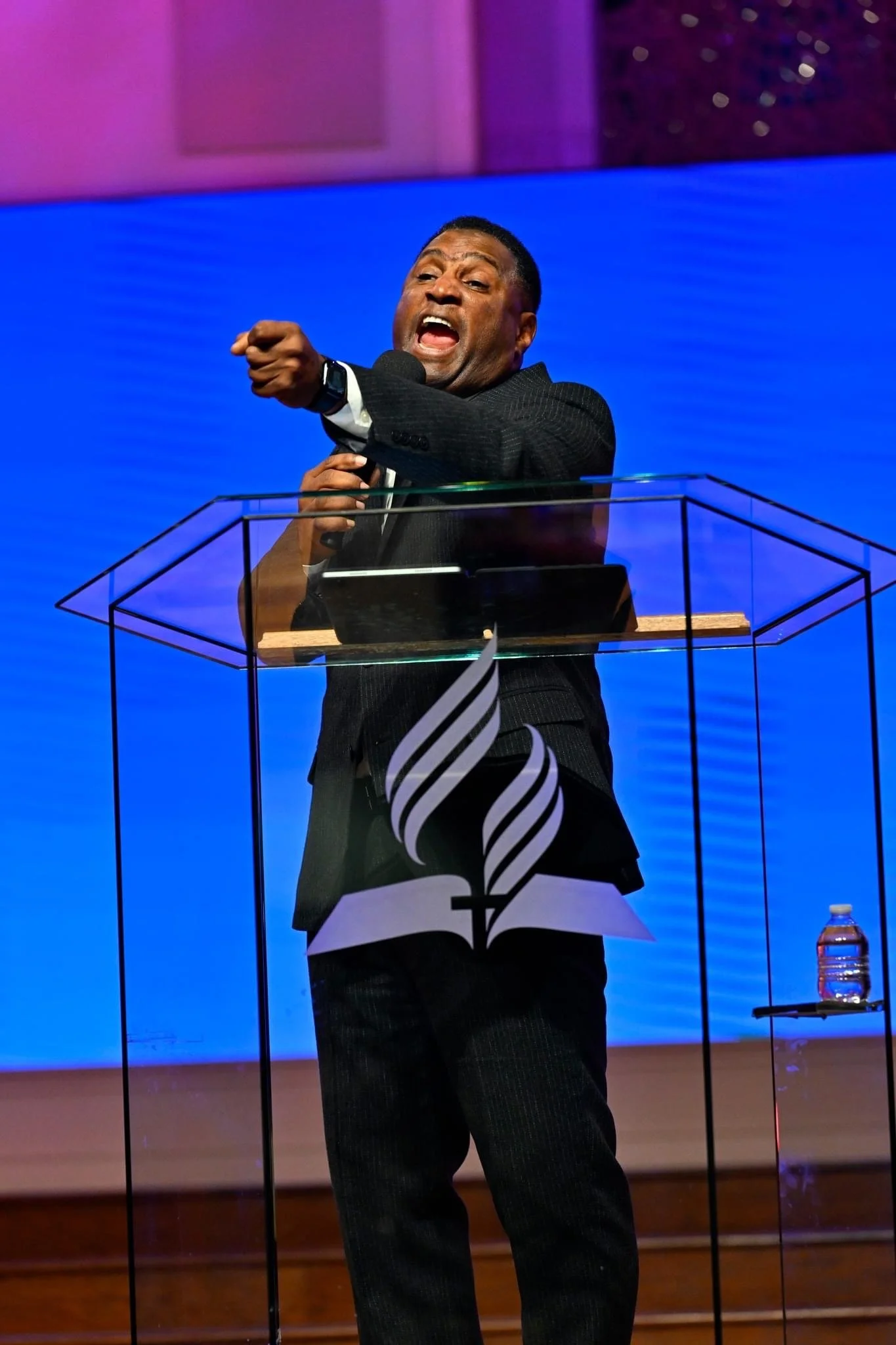
Flash and heavy intervention pull focus from worship. Ron avoids on-camera flash in services, anticipates moments quietly, and times repositioning so he doesn’t interrupt prayer, appeals, baptisms, baby dedications, or pastoral care. Your goal is to be felt as respected, not seen as a spectacle.
Master the light you have
Most churches give you mixed or warm lighting. Ron’s approach:
Dial in white balance/Kelvin in camera to avoid the jaundiced look.
Use exposure compensation to lift shadows without nuking atmosphere.
Lean on natural light when possible (doorways, window spill, edge light).
Let shadows work—they add drama, contrast, and meaning.
For portraits and ministry headshots, keep gear light: small reflectors, one-light setups, and subtle fill that doesn’t overpower the scene.
Compose with meaning—and try braver angles
Establish symbols and tell context, but don’t stop at the obvious front-and-center view. Change elevation, work the aisles, and be willing (and safe) to photograph from where the story reads best. Different angles often unlock the feeling the room is actually having.
Ethics and an archival mindset
Photographing ministry means consent, care, and clarity:
Minors and sensitive moments: know the policy, get permissions, or choose not to shoot.
Edit honestly: prefer in-camera solutions; don’t “improve” history away.
Think generationally: today’s images become tomorrow’s memory. Captions, filenames, and curation matter.
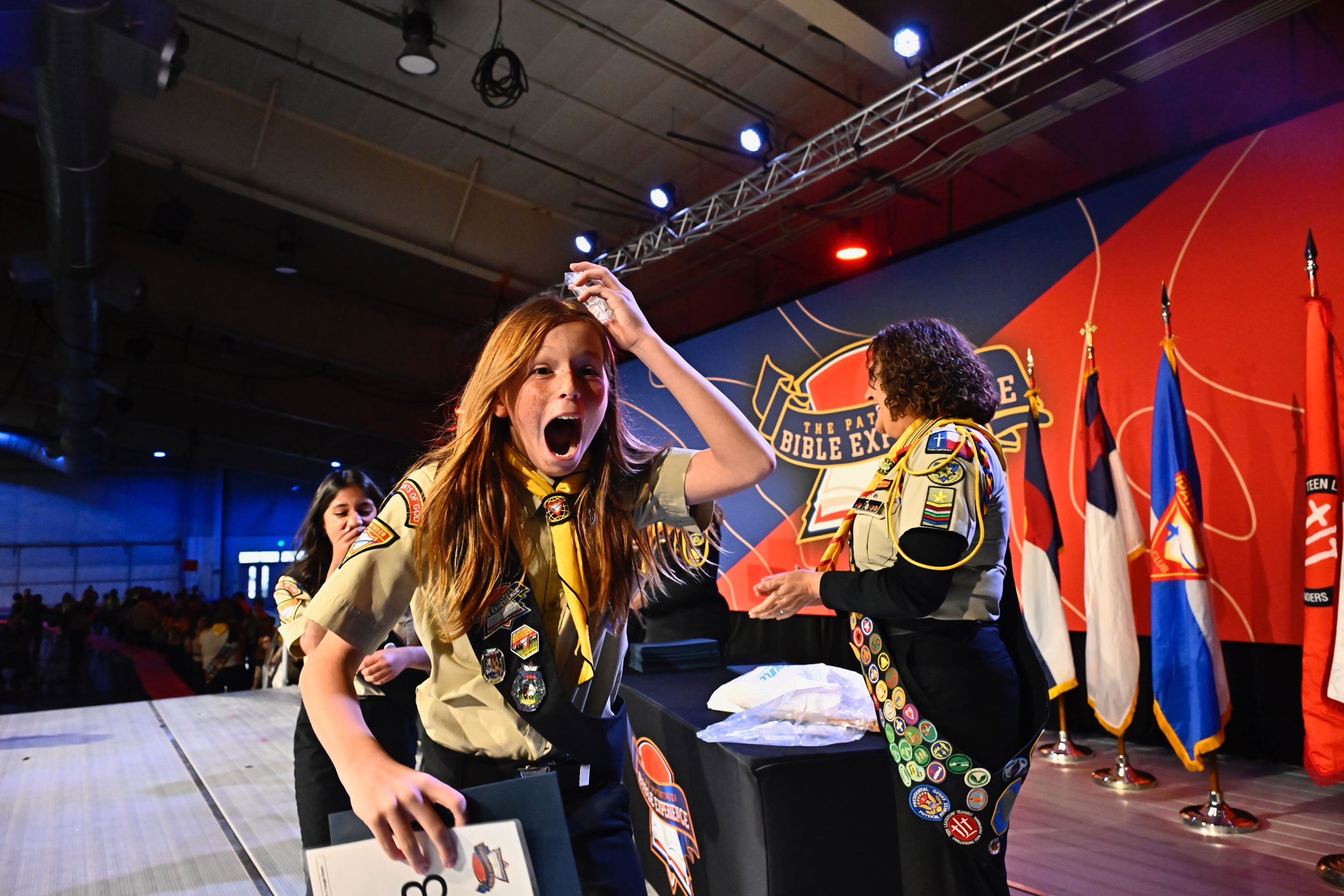
Manage your emotions: “Shoot when I want to shout.”
If you’re a person of faith—or simply empathetic—worship can move you. Ron’s strategy: prepare emotionally before the assignment, know your triggers, and have a plan (even an accountability partner) to stay steady and present. You’ve been entrusted; the work requires composure and care.
Final word
Church photography is sacred storytelling. Approach each assignment as service; learn the space and the script; build a story with intent; and put people before pixels. Do that consistently, and your galleries will strengthen communication, preserve history, and bless the communities you serve.