How We Learn to See More Creatively in Photography
The Art and Science of Visual Storytelling
The folks driving by must have thought I was crazy.
I was lying flat on my chest in front of a fire hydrant, my camera pointed straight up at it. Out of the corner of my eye, I noticed cars slowing down. Some drivers were probably wondering if I was okay. Others were likely trying to figure out what on earth I was photographing.
And that was the point — what I was seeing down there.
I was in the middle of a creative photography drill designed to help me see more creatively. And it was working.
In the Shutterbug Life community, we don’t believe creativity is something you either have or don’t have. We believe it’s something you practice, train, and strengthen — together. This was one of those drills, deliberately designed to push past the obvious and force new ways of seeing.
If you’ve ever stood in front of a scene that should be interesting and felt stuck, frustrated, or uninspired, you’re not alone. That moment isn’t a failure of talent or imagination — it’s a normal stage in a photographer’s growth.
Learning to see more creatively isn’t about random inspiration. It’s a repeatable process, built on intention, decision-making, and experimentation. And it’s always a balance of art and science.
Seeing Creatively Is Part Art, Part Science
Creative photography lives at the intersection of two disciplines:
The art of seeing — how you notice light, emotion, shape, and story
The science of creating — how your camera translates that vision through lens choice, framing, and exposure
Most photographers lean heavily on one side of this equation. Real growth happens when we intentionally develop both.
Creativity isn’t magic. It’s a skill.
Why Photographers Get Stuck
Creative block usually comes from one of three places:
Overwhelm — too much visual information at once
Habit — always shooting from the same height, angle, or focal length
Expectation — forcing an idea instead of responding to what’s actually there
The solution isn’t better locations or new gear. It’s learning how to break scenes down into manageable creative decisions.
The First Place Is the Worst Place
A core principle we come back to again and again:
The first place you stop is usually the least creative place to shoot from.
That initial view is what everyone sees. Creativity begins when you move.
Move your feet
Change your height
Shift your angle
Reframe the scene
The goal isn’t to find the shot immediately. It’s to explore the possibilities.
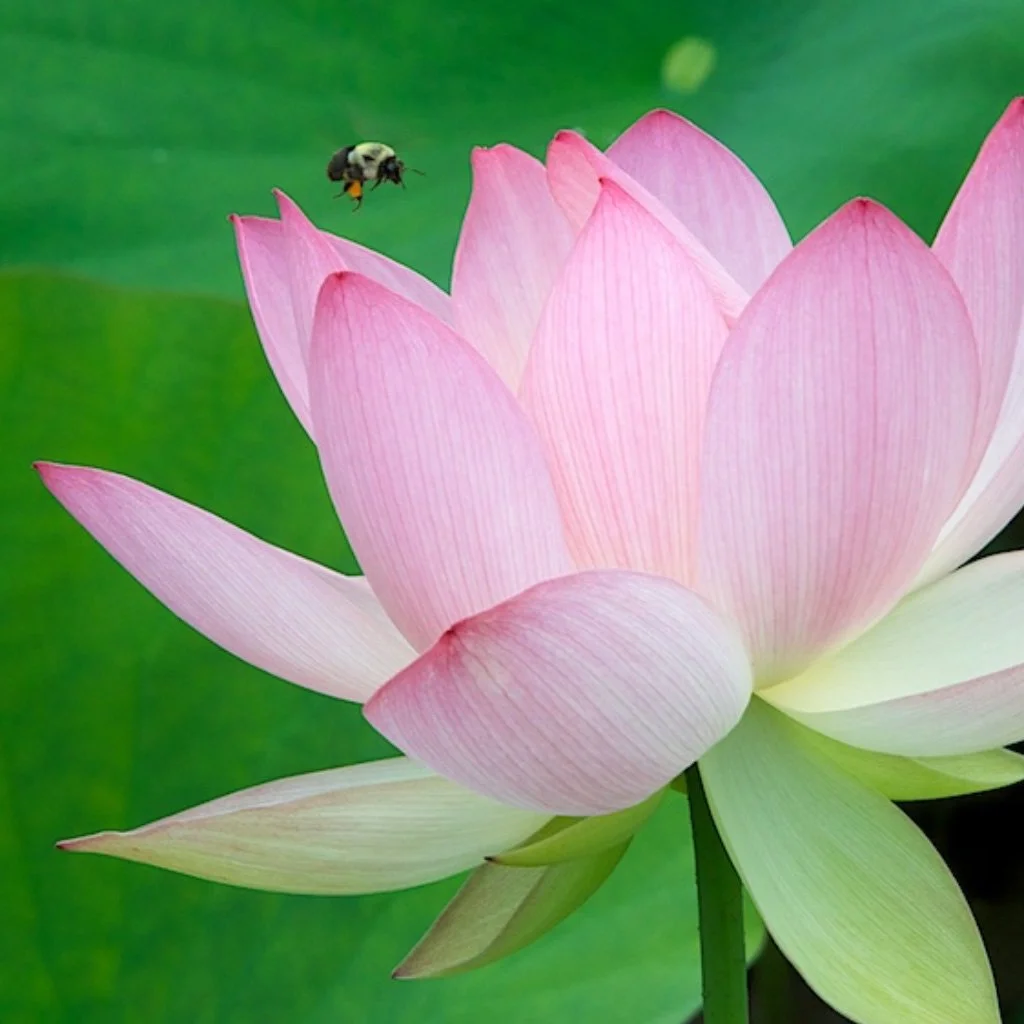
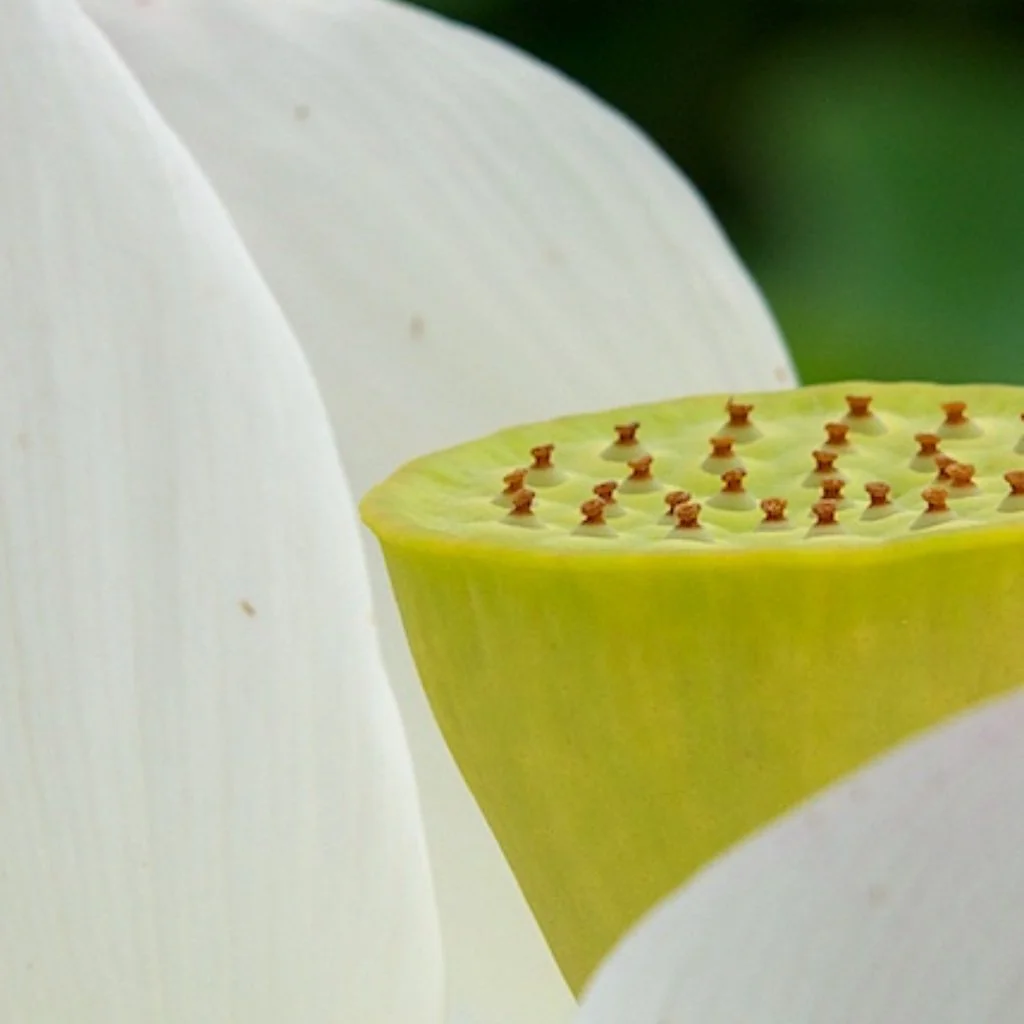
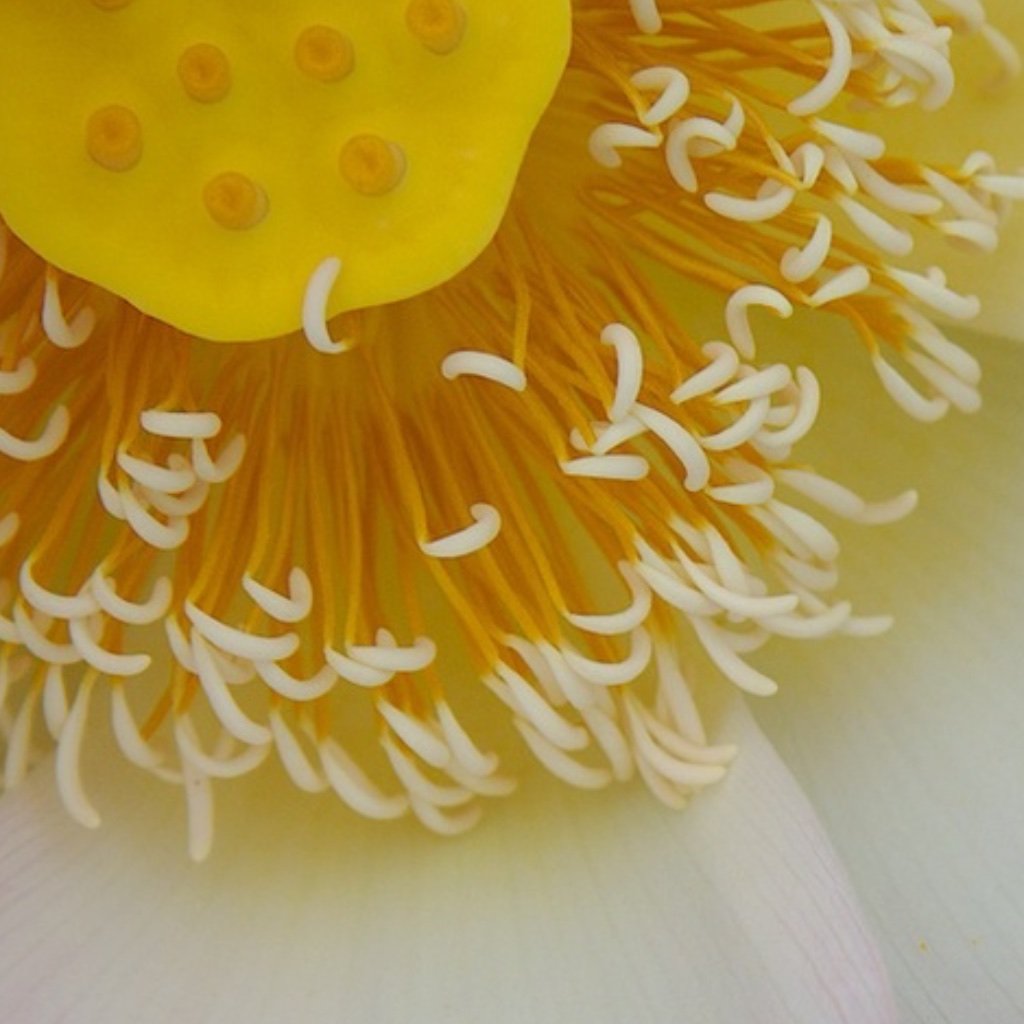
I found unique angles and cropping on these flowers by moving around and exploring all the possiblities.
Force Yourself to Shoot More Than Is Comfortable
One of the most powerful creativity tools we use is forced variation.
Try this the next time you feel stuck:
Photograph the same subject at least six different ways
wide
tight
high
low
left
right
If you want to go deeper, push it further:
20 images
50 images
or even 100 images of the same subject
The first 10 are predictable.
The creative breakthroughs happen after the obvious runs out.
This is how your eye learns to see differently.
Break Big Scenes Into Smaller Subsets
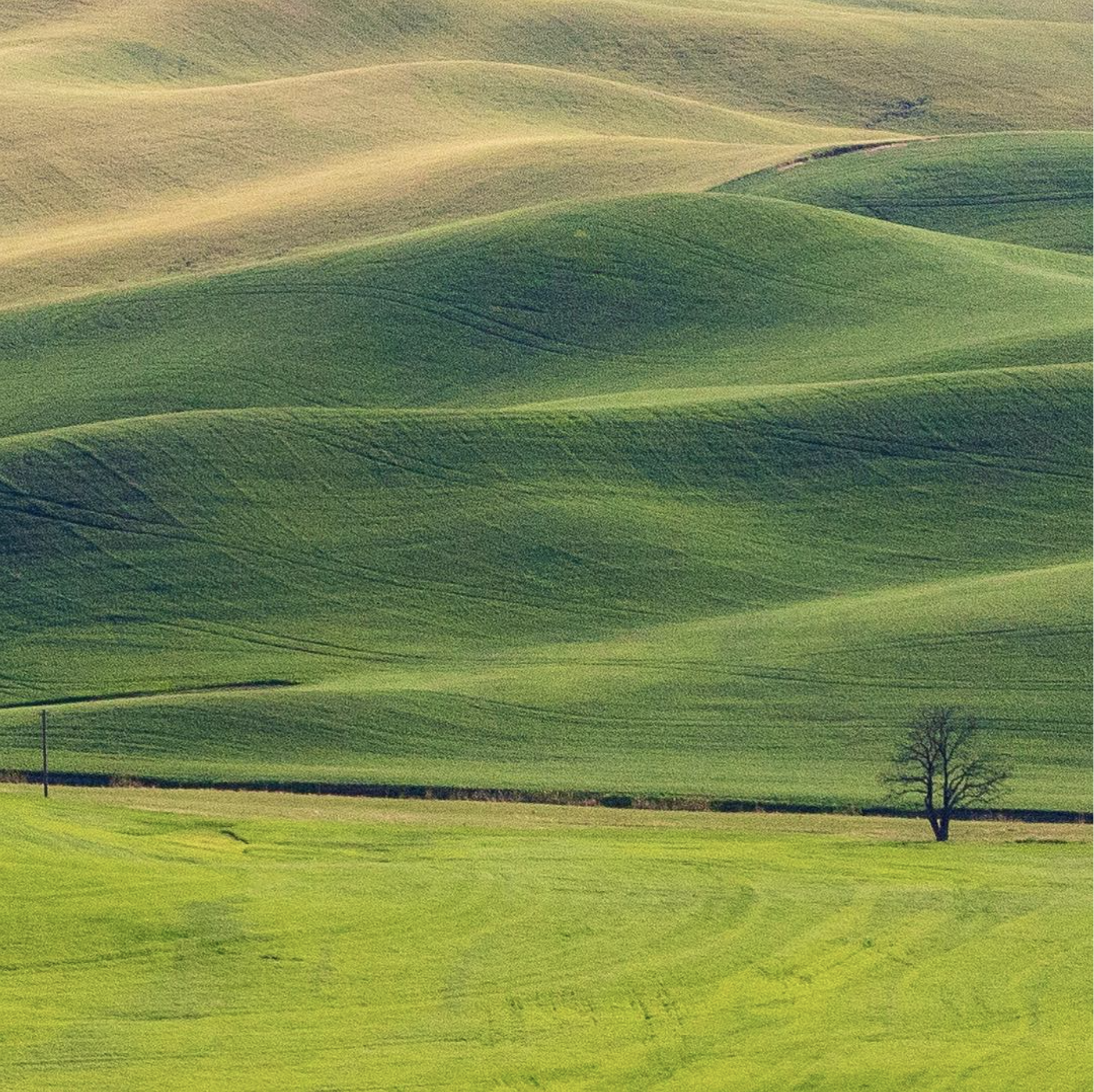
In the lush green rolling hills of the Paluse, where do you point the camera? I found this sole tree to stand out in contrast.
Overwhelm often comes from trying to photograph everything at once.
Instead, ask:
“What is this scene made of?”
Break it into subsets:
a single subject
a relationship between elements
a moment
a visual pattern
a detail that supports a story
Big scenes become approachable when you treat them as collections of smaller stories.
Use the Elements of Art to See Differently
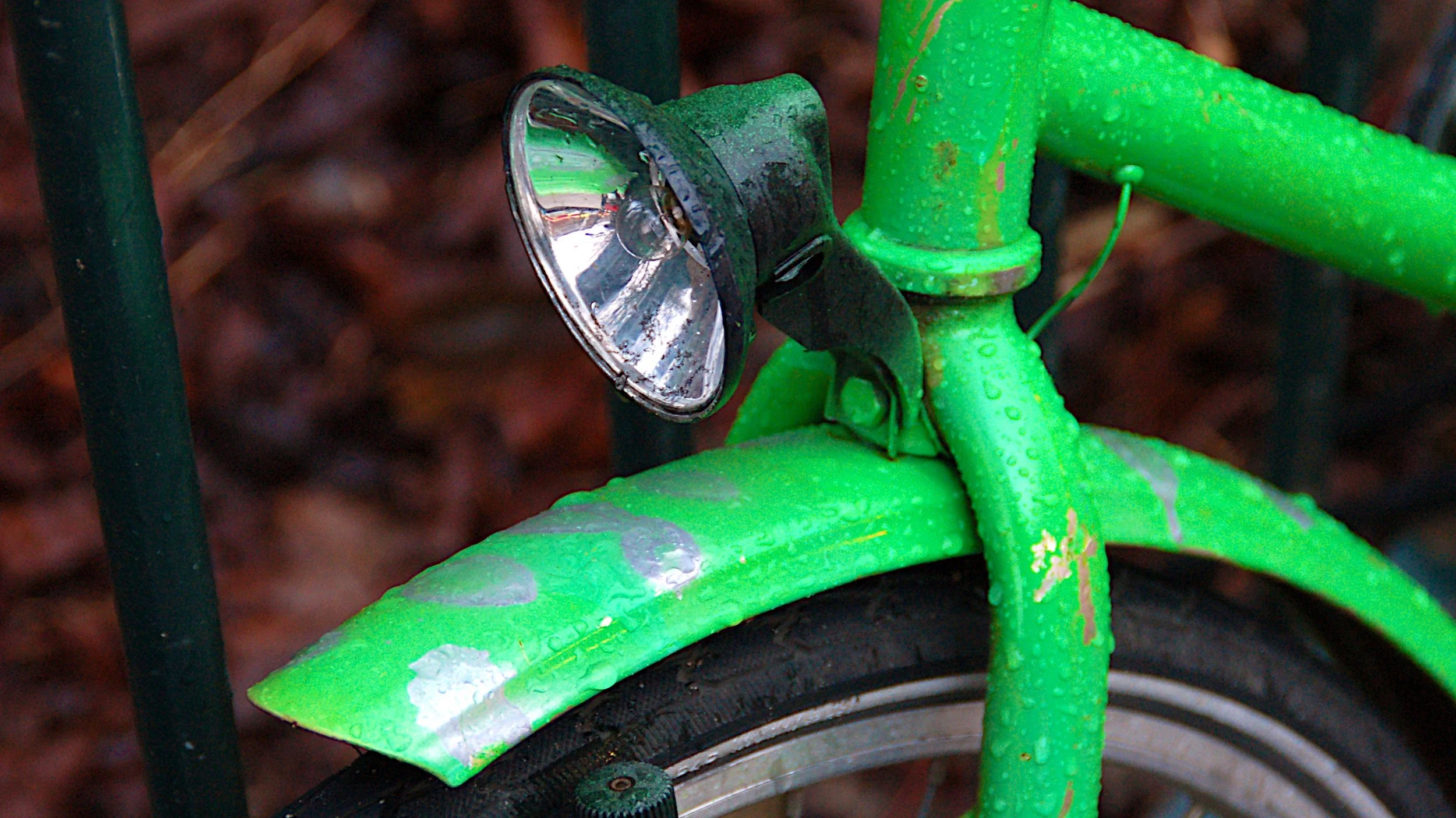
In Amsterdam, where there were bicycles everywhere, how do you see and photograph one differently? Focus on the elements. In this one, going in close focuses the eyes on the vibrant green color and the texture of the chipping paint. The rain drops also become more prominent the closer in you go.
When you’re not sure what to shoot, focus on just one element:
light and shadow
line
shape
form
texture
color
scale
depth
negative space
Ask yourself:
If this photograph were only about ONE of these, which would it be?
This shifts your mindset from documentation to interpretation.
A Simple Decision Tree for Creative Overwhelm
When you freeze up, run this sequence:
Where will I stand?
Where will I place the camera? (high, low, angled, straight-on)
What goes in the frame?
Where does the subject sit in the frame?
What crop or aspect ratio makes sense?
Creativity becomes reliable when vague inspiration is replaced with clear, repeatable decisions.
Ask the Most Important Question: What’s the Story?
Strong photographs answer a story question.
You can approach this two ways:
Story-first: leave with an idea (color, season, emotion, theme)
Scene-first: arrive, then decide what story the scene can tell
Instead of asking “What should I photograph?”, ask:
“What do I want someone to remember about this moment?”
Story clarifies composition, lens choice, and timing.
Change Your Lens, Change Your Story
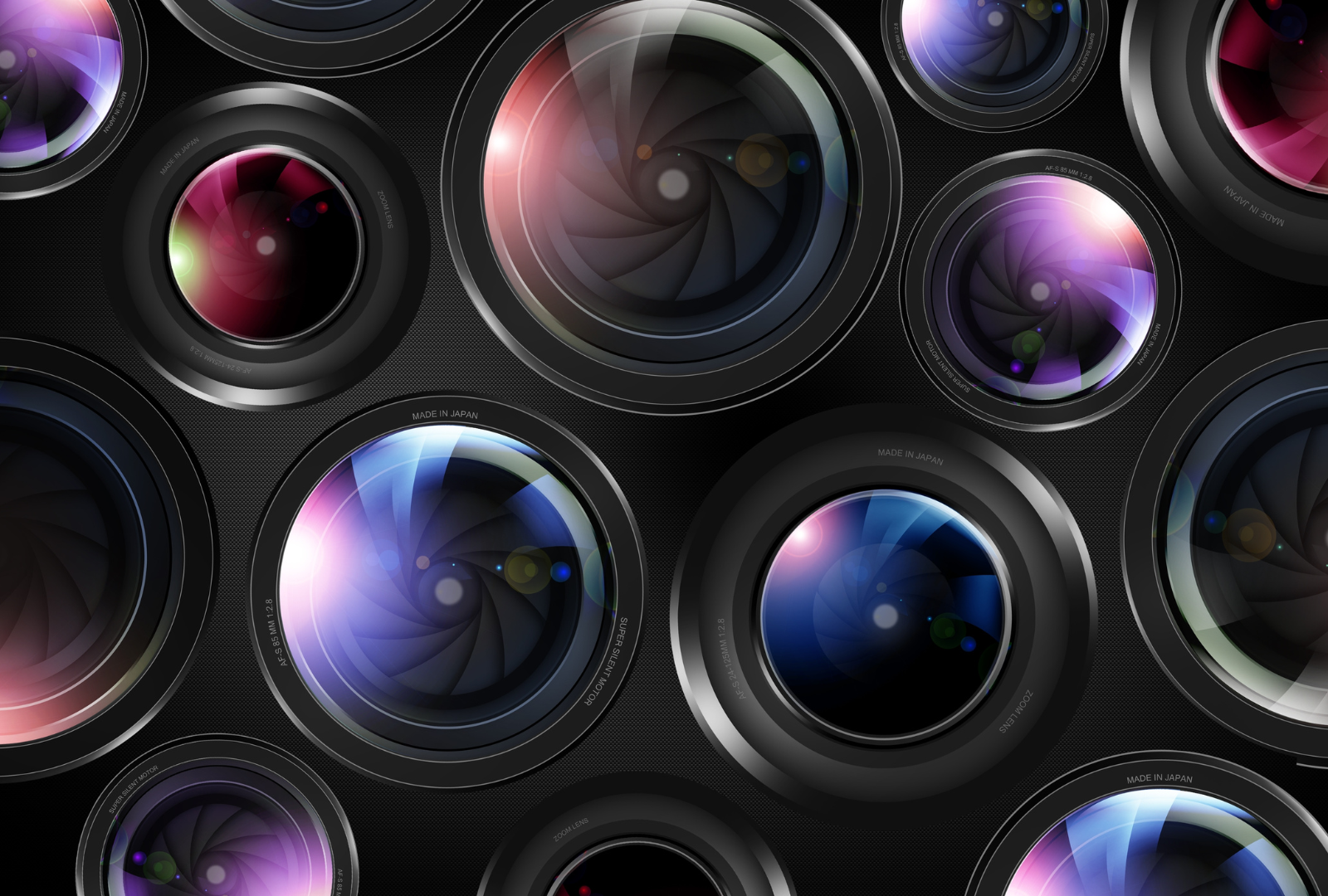
Lens choice isn’t just technical — it’s narrative.
Wide lenses emphasize context and scale
Telephoto lenses isolate details and simplify chaos
If a scene feels boring, try the least obvious lens. Limiting yourself to one focal length for a shoot can dramatically expand creativity.
Constraints help us see.
Learn How Your Camera Sees Differently Than You Do
If you’ve ever thought:
“It looked great in person, but the photo doesn’t match,”
you’ve experienced the difference between human vision and a camera’s interpretation.
Understanding:
shutter speed (freeze vs. motion)
aperture (isolation vs. context)
focal length (compression vs. expansion)
doesn’t limit creativity — it multiplies your options.
Watch Out for the Creativity Killers
Three habits quietly undermine creative growth:
Comparison: study others for inspiration, not judgment
Rigid expectations: start with intent, stay curious
Impatience: creativity often appears after time in the scene
Staying longer almost always reveals more.
How We Practice Seeing Creatively (Together)
Creative growth doesn’t require exotic travel or perfect conditions. It requires intentional practice:
Photograph one ordinary object many ways
Limit yourself to one lens
Pick one color, shape, or theme for the day
Analyze images you admire and reverse-engineer the decisions
You can even practice without a camera by asking:
“How many different ways could I photograph this?”
Ready to Put This Into Practice?
Take the 100-Image Challenge
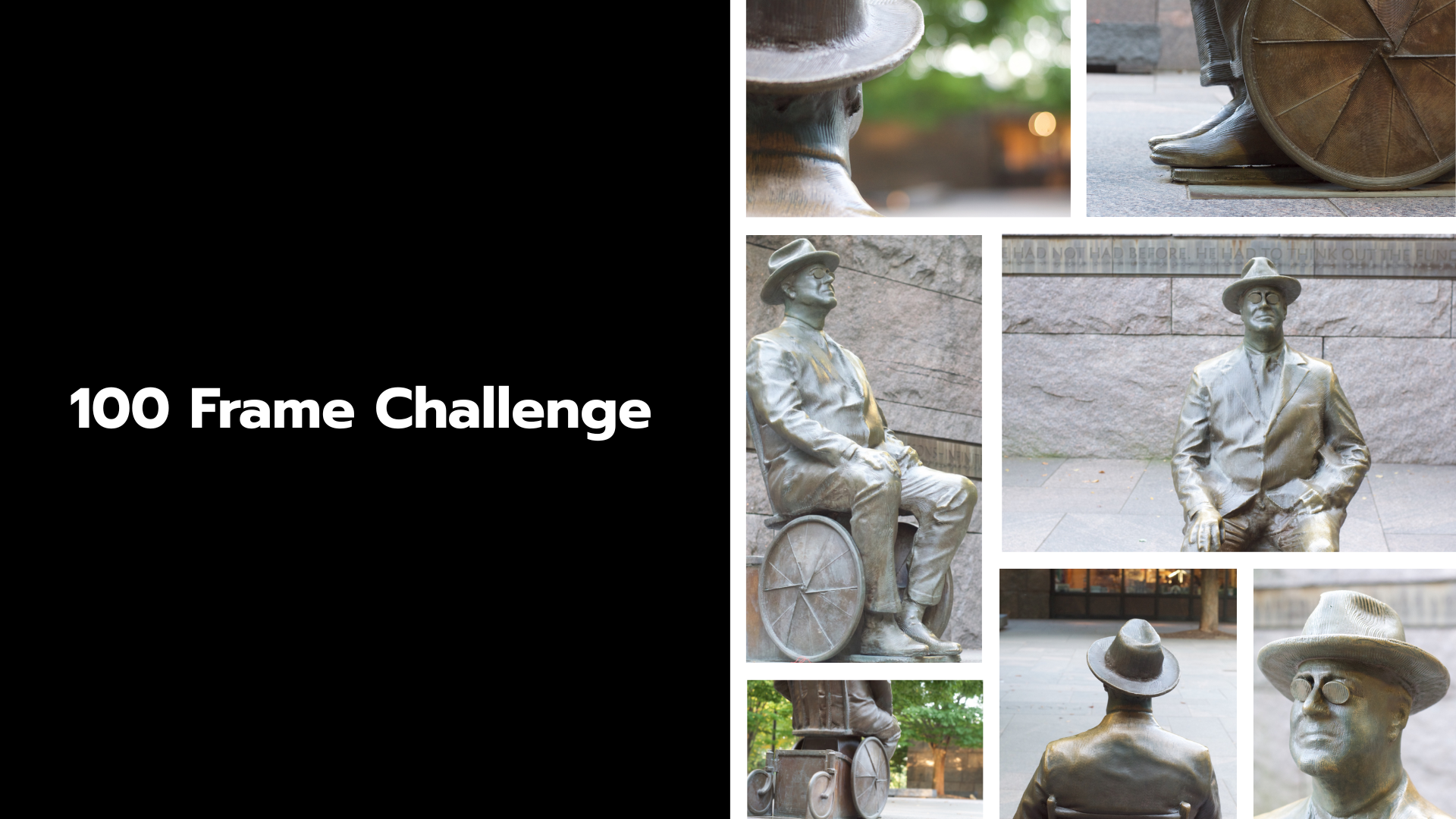
Now you know what I was doing in front of that fire hydrant — and why a simple exercise like that can be such a powerful first step toward seeing more creatively.
The 100-Image Challenge is a structured, hands-on exercise designed to train your eye to move past the obvious and uncover new creative possibilities in everyday scenes.
The 100-Image Challenge
Choose one accessible subject
Photograph it 100 different ways
Push past the first obvious ideas
Discover what you didn’t see at first
This challenge works whether you’re a beginner, an enthusiast, or a seasoned photographer — and it’s something we return to again and again inside the Shutterbug Life community.
If you complete it, you’ll never look at “nothing to shoot” the same way again.